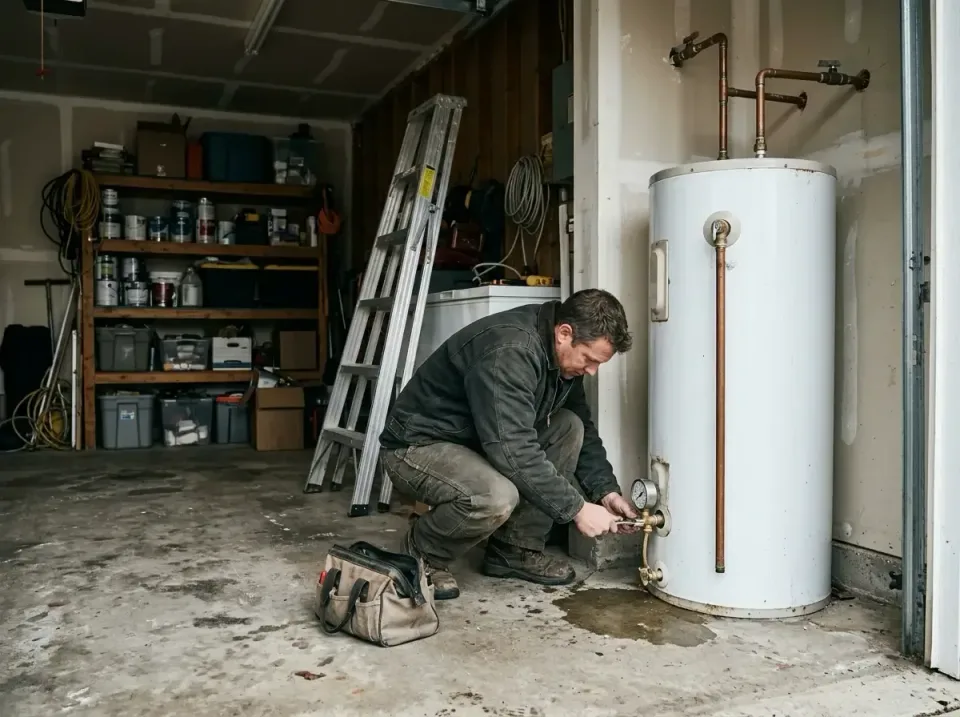
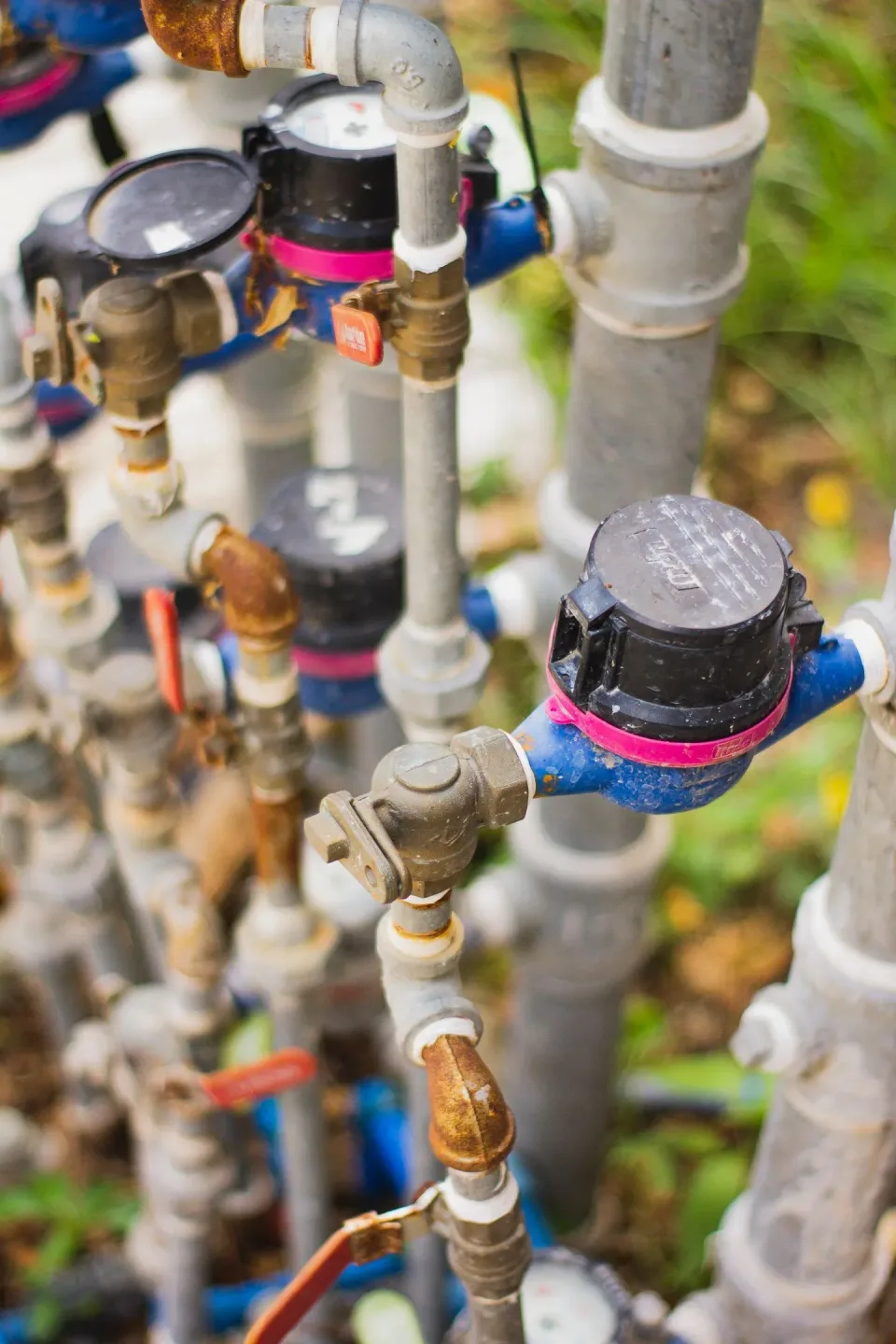
Water Booster Pump Repair
Local water booster pump repair for New York, NY with a written scope, clear pricing, and scheduling you can plan around.
When a faucet aerator clogs, one tap may weaken even while pressure elsewhere stays steady; a water service line problem can affect the whole property. Our New York Plumbing Pros crew handles water pressure regulator repair in New York and checks the cause before recommending work, so you know whether the issue is local to a fixture or farther upstream.
Check the License
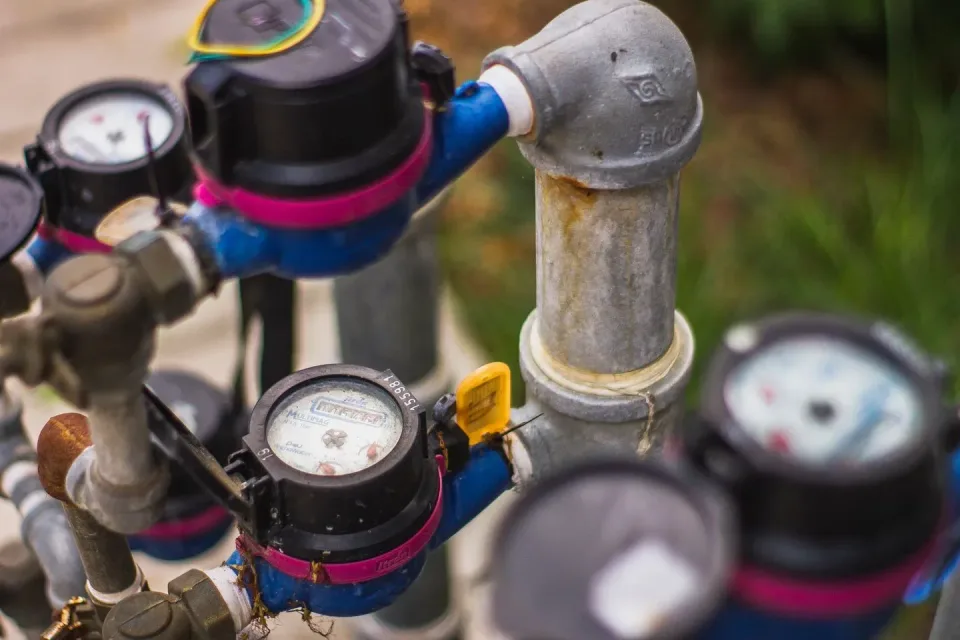
Low Water Pressure Repair in New York is regulated by New York City Department of Buildings; ask any provider for their license number.
What a Visit Covers
A typical visit confirms building water shutoff location.
Typical Price Range
Pressure diagnosis often runs $150–$350 depending on testing and access; get a written quote first.
Shower Pressure Drops
Shower pressure drops when another faucet runs — worth a professional look when you notice it.
Local water booster pump repair for New York, NY with a written scope, clear pricing, and scheduling you can plan around.
Water Pressure Regulator Repair in New York, NY — what the job involves, what affects the price, and how scheduling works, explained before you book.
Main Water Line Repair in New York, NY — what the job involves, what affects the price, and how scheduling works, explained before you book.
Emergency Pipe Leak Repair in New York, NY — what the job involves, what affects the price, and how scheduling works, explained before you book.
Burst Pipe Repair in New York, NY — extraction, moisture mapping, and drying equipment scoped to affected rooms and materials.
Hidden Water Leak Repair in New York, NY — what the job involves, what affects the price, and how scheduling works, explained before you book.
Clogged Water Line Repair in New York, NY — what the job involves, what affects the price, and how scheduling works, explained before you book.
Corroded Pipe Repair in New York, NY — what the job involves, what affects the price, and how scheduling works, explained before you book.
Frozen Pipe Repair in New York, NY — what the job involves, what affects the price, and how scheduling works, explained before you book.
Well Pump Repair in New York, NY — what the job involves, what affects the price, and how scheduling works, explained before you book.
Local well pressure tank repair for New York, NY with a written scope, clear pricing, and scheduling you can plan around.
Water Softener Pressure Repair in New York, NY — what the job involves, what affects the price, and how scheduling works, explained before you book.
Water Filter Pressure Repair in New York, NY — what the job involves, what affects the price, and how scheduling works, explained before you book.
Local clogged faucet aerator repair for New York, NY with a written scope, clear pricing, and scheduling you can plan around.
Local low pressure shower repair for New York, NY with a written scope, clear pricing, and scheduling you can plan around.
Main Shutoff Valve Repair in New York, NY — what the job involves, what affects the price, and how scheduling works, explained before you book.
Local galvanized pipe repair for New York, NY with a written scope, clear pricing, and scheduling you can plan around.
Local water pressure testing for New York, NY with a written scope, clear pricing, and scheduling you can plan around.
Why us
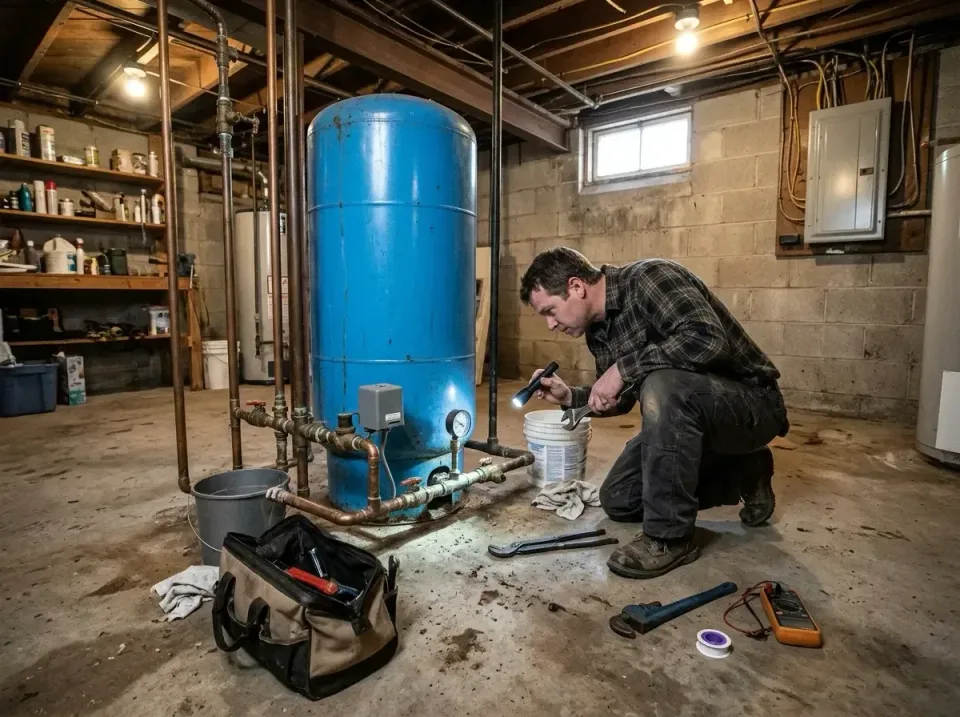
Get a practical pressure diagnosis from a team that knows New York plumbing.
Technicians record static and flowing pressure and check multiple fixtures before recommending system repairs. You get a diagnosis based on what they find, not a guess about the cause.
Work across New York draws on experience with aging city-building pipes, regulator problems, and hard-to-reach shutoffs. The team also accounts for travel, local requirements, and seasonal pipe issues.
A technician explains the findings and coordinates the repair with you before work begins. You can discuss the proposed scope and understand what the work addresses before piping is opened.
Through the year
Spring
Coastal flooding and storm surge can affect buildings and plumbing access in New York. Arrange an inspection if floodwater has reached utility areas, and keep electrical equipment clear of water. A technician can assess pressure components safely.
Summer
Storm surge and coastal flooding can complicate access to pumps, shutoffs, and utility spaces. If water reaches those areas, avoid operating wet equipment and arrange a pressure assessment once access is safe.
Fall
Coastal storms can bring flooding that reaches basements and plumbing equipment. Check that shutoffs are accessible and note any water intrusion near pressure controls. A technician can assess equipment when the area is safe to enter.
Winter
Storm surge and coastal flooding can leave lower-level plumbing areas wet or inaccessible. Do not handle electrical equipment in standing water. Once conditions allow safe access, a technician can check pressure components and identify repair needs.
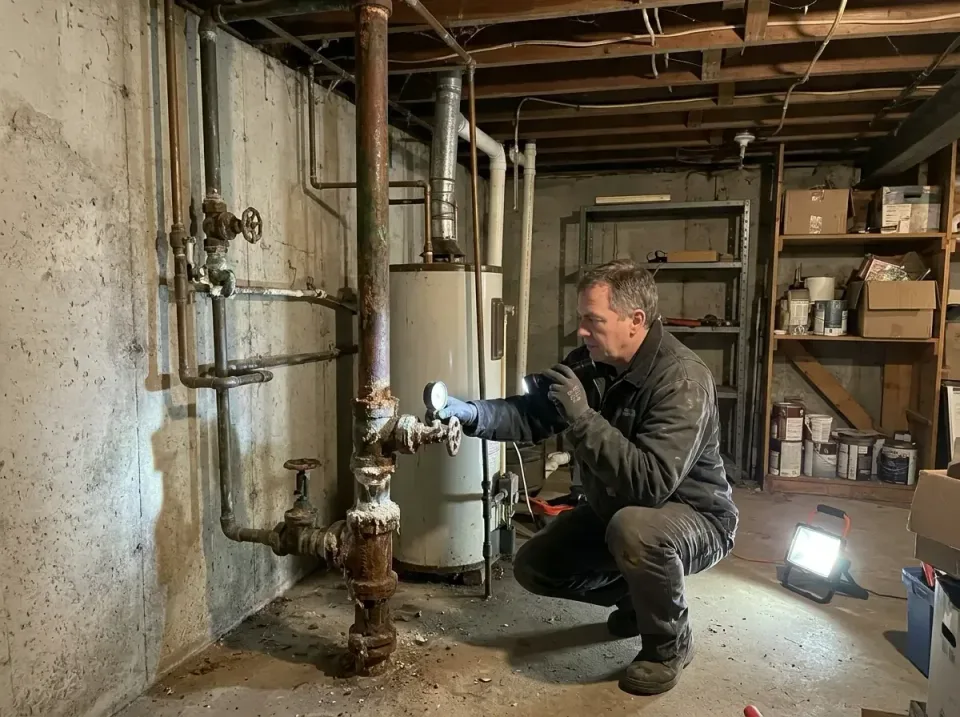
A pressure problem in a prewar brick walk-up can have a different source than one in a high-rise apartment tower. Near Grand Central Terminal, our crew approaches Low Water Pressure Repair by testing the affected fixtures and tracing the supply path before recommending a repair.
A water pressure plumber in New York should distinguish a regulator fault from a restriction in the building piping; we compare readings and explain what each result means. For a main water line repair quote in New York, the scope depends on the location of the damaged section, access, and whether the work touches a shared building supply. We also consider the New York State Plumbing Code when discussing the proposed work, rather than assuming every weak fixture needs a system upgrade.
No guesswork in the quote. We’ll review the findings and work scope with you before proceeding. Call (877) 773-0781 to arrange a visit and discuss an itemized estimate.
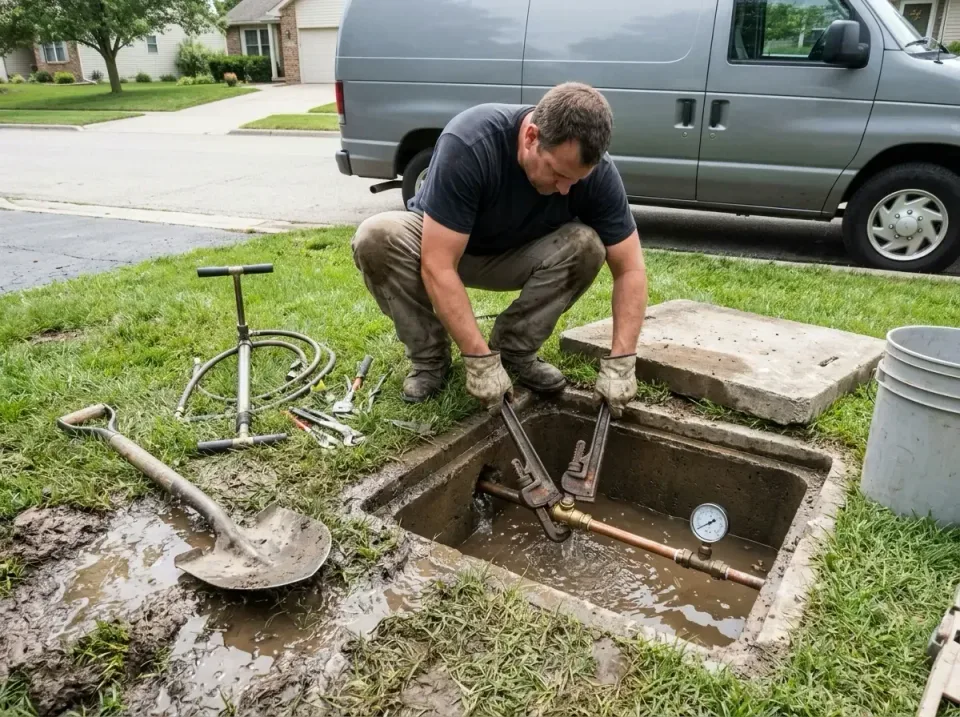
When the shower weakens as another tap runs, or several fixtures lose flow at once, first note which rooms are affected. In Brooklyn Heights, brownstone row houses and apartment buildings can have different pipe layouts, so a single fixture restriction should not be mistaken for a building-wide fault.
A clogged aerator can cut flow at one faucet while leaving system pressure unchanged; unscrew it only if it comes off easily, then rinse the screen. If hot water is weaker than cold, we compare the hot and cold sides and check for a restriction before proposing repairs.
The 2022 New York City Plumbing Code governs plumbing work in the city, and New York State Plumbing Code requirements apply in their relevant jurisdiction. For a repeated pressure drop across fixtures, our crew tests more than one outlet and inspects the likely supply path.
You can record which taps are affected and whether the change happens during peak use. Bring in our team when the pattern persists or spreads.
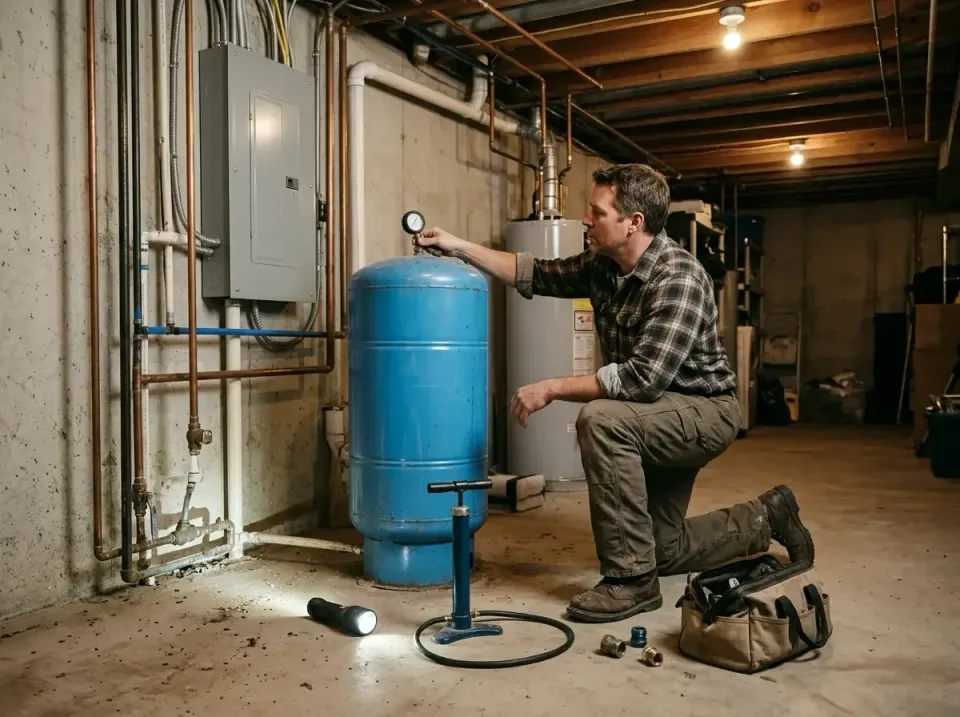
We begin by confirming which fixtures are affected and where the building shutoff is located. In a Sunnyside apartment, arranging elevator or loading access ahead of the visit can keep tools and parts moving without disrupting shared corridors.
Next, we check multiple fixtures before recommending system repairs; a single faucet reading can hide the difference between a local restriction and a supply problem. Static and flowing readings are not interchangeable, so we note the test conditions rather than treating one number as the whole diagnosis. We also confirm pump electrical supply before servicing a booster system, which helps separate a pump fault from a plumbing restriction.
Before any water interruption, we coordinate with building management so residents know when service may pause. Once water is restored, we allow fixture testing to confirm the work and check for leaks. A short written scope explains the repair and any access needs. If you are preparing, keep the utility-room route clear and tell us which fixtures show the change.
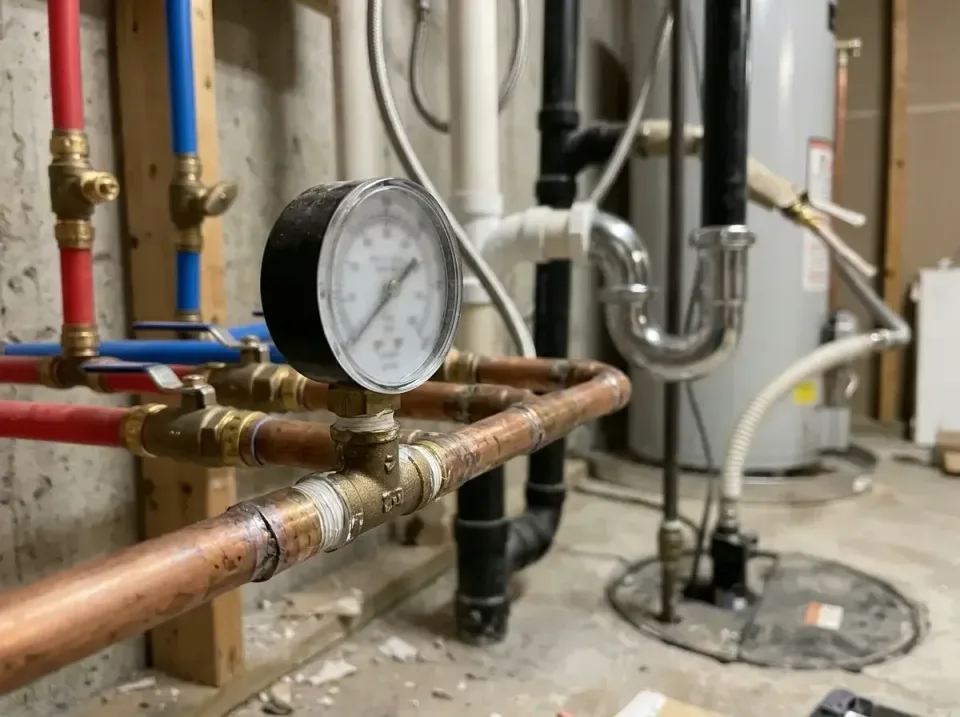
We take on low-pressure jobs when weak flow points to a fixture, a control valve, a pipe, or a hidden leak. In New York, older steam-heated buildings may have galvanized steel pipe; internal corrosion can narrow its passage and reduce flow over time.
A brass pressure-reducing valve controls incoming pressure, but a stuck or misadjusted valve can restrict supply; we test it before recommending replacement. If water loss appears concealed, hidden water leak detection helps locate the source before walls or finishes are opened. Our repair choices also account for the New York State plumbing code water pressure requirements, rather than using a one-setting-fits-all adjustment.
Where components contact drinking water, NSF/ANSI/CAN 61 addresses health effects from materials in those components; we consider that when selecting replacement parts. We can inspect a regulator, trace a suspected leak, or assess deteriorated piping, then confirm the agreed scope. See our Water Pressure Regulator Repair service for regulator-specific work.
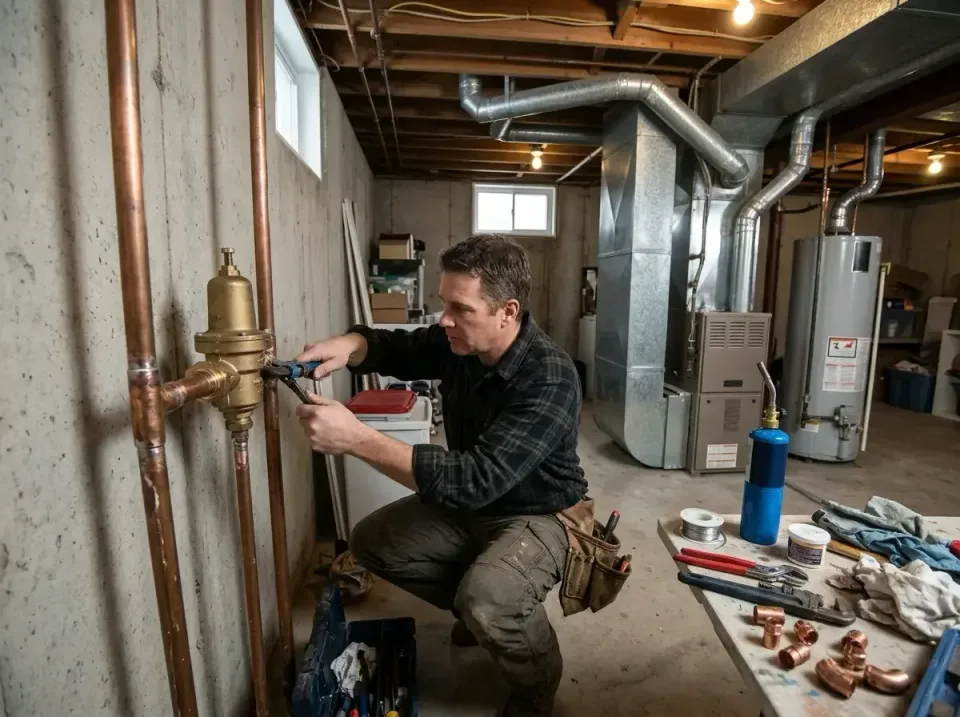
If pressure loss affects several rooms, the price depends on whether the cause is a regulator, a pump, a concealed leak, or a buried service line. We provide clear, itemized quotes before work begins.
Pressure diagnosis is $150–$350, with testing and access affecting the visit scope. Regulator repair is $250–$650, depending on valve condition and required parts; booster pump repair is $300–$900, with pump model and electrical work shaping the job.
Main water line repair can range from $800–$4,000, as excavation and pipe length change the labor and materials. Hidden leak repair is $400–$2,000, with location and finish restoration affecting the total.
A 0–200 psi pressure gauge gives a broad measurement range, but the reading still needs context from the plumbing system. We explain what the test shows before suggesting a repair. Final quotes vary by repair scope, access, parts, and site conditions; contact New York Plumbing Pros at (877) 773-0781 for a final quote.
Straight answers for customers in New York, NY on pricing, scheduling, and what to expect.
Yes, a booster pump can contribute to weak upper-floor flow if it is not operating as intended or its pressure tank is not stabilizing the system. We check the pressure drop and pump cycling under demand before recommending a repair, rather than selecting a pump by guesswork.
A pressure gauge shows a reading at the point and moment it is connected, but static water pressure can differ from dynamic pressure while fixtures are running. Recording when the drop occurs and which fixtures are open gives our crew useful context for testing.
No, do not force a stiff main shutoff valve, because an old or corroded valve can leak or fail when moved. Check that it has not been accidentally turned partly closed only if it moves freely, and contact New York Plumbing Pros if multiple fixtures remain affected.
Yes, frequent pump cycling can indicate that the pressure tank is not holding or regulating pressure as intended, though other supply faults can cause similar behavior. Note how often the pump starts and stops, then have the tank and system checked together.
Tell us which fixtures change, whether the flow rate falls when another fixture runs, and whether the main shutoff valve has recently been touched. Those observations help distinguish a localized restriction from a system pressure drop before testing begins.
A pressure gauge commonly reads from 0–100 psi, a result below 40 psi is often reported as low, and a clogged aerator can restrict one faucet without lowering system pressure, so call New York Plumbing Pros at (877) 773-0781 to discuss a pressure check.
Select a city to find local low water pressure repair providers we cover in New York.
Low Water Pressure Repair work serving New York, NY and surrounding areas.